
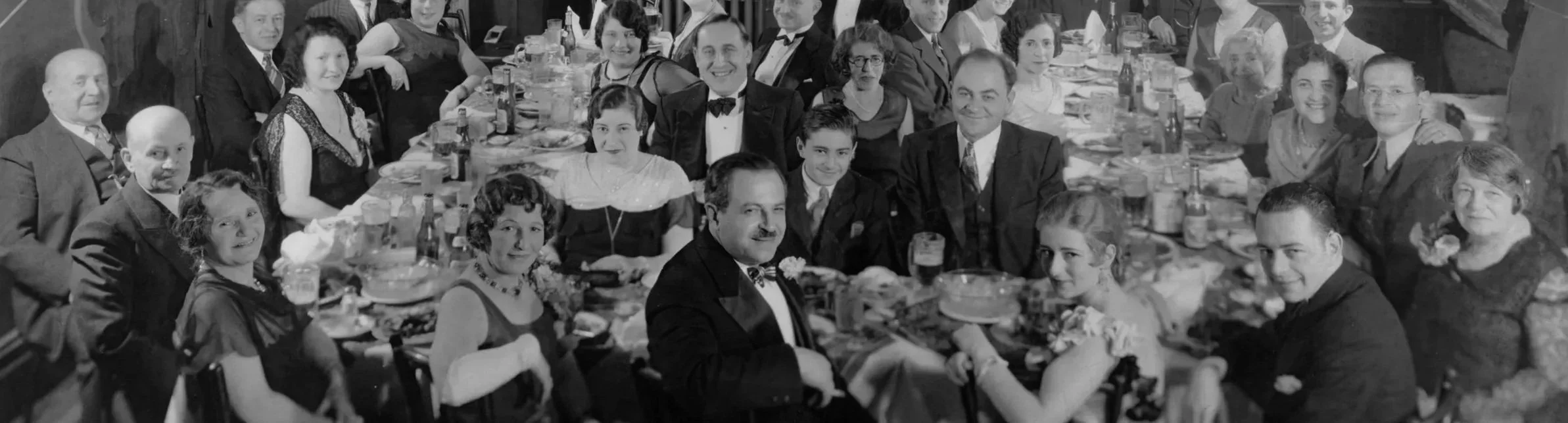
celebrating
Max Fleischer
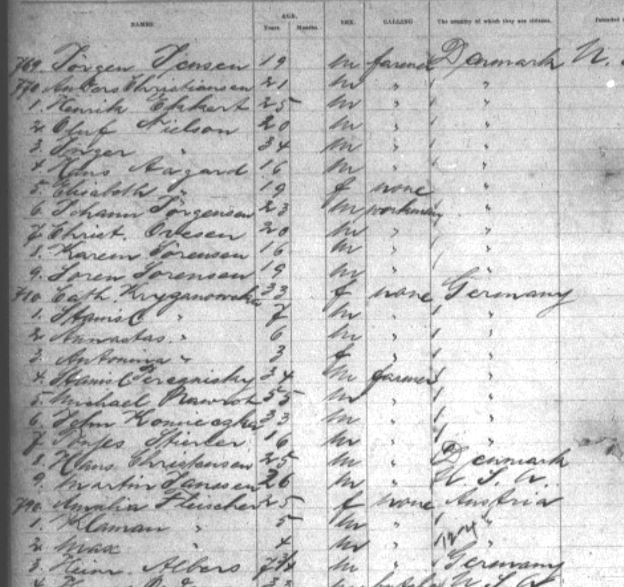
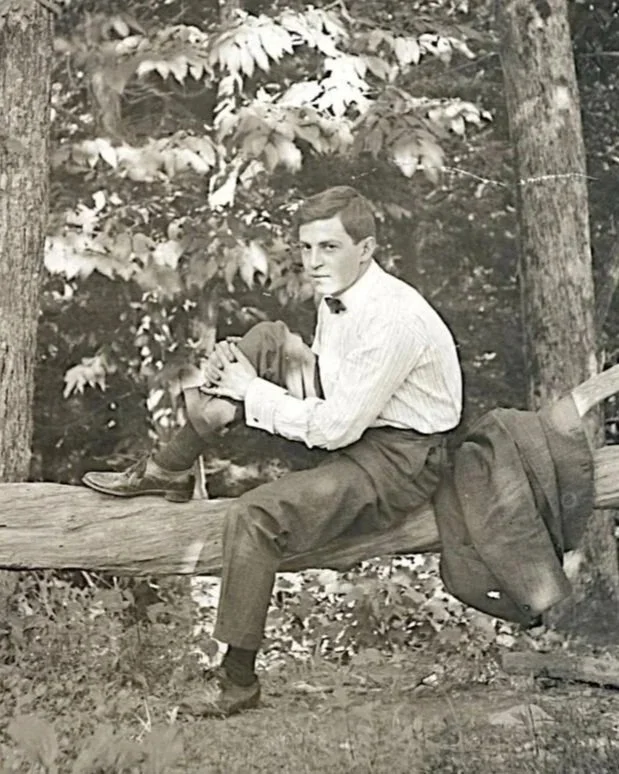
Max Fleischer was born July 19, 1883, in what is now Krakow, Poland, but at the time was part of the Austria-Hungarian Empire. With the recent invention of the telephone (1876), the phonograph (1877) and the electric light bulb (1880), the world on the verge of one of the most monumental shifts in annals of human civilization: Age of Invention. It was an age that was perfectly suited to Max’s innate curiosity, unflagging determination, and creative ambition.
He would go on to become one of the most celebrated and innovative pioneers of early animation and a prolific inventor with more than 30 patents to his name. On screen he played the long-suffering straight man forever foiled by his mischievous clown creation Koko and was dubbed Uncle Max by ageless and iconic Betty Boop.
But that’s not all. He was a novelist, served as ??? director for Popular Science Magazine and created some of the first training films for the U.S. Army during World War I.
But who was Max Fleischer the man? In celebration of Max’s birthday, we’re thrilled to offer this rare glimpse into the life of Max Fleischer the friend, the father, the grandfather, the mandolin-player, and the man who thoroughly loved a great party.
Two Brothers. One Bike.
Max and his siblings were truly life-long entertainers who, even in their youth, found opportunities to combine their preternatural flare for all things mechanical with their innate sense of timing and showmanship.
The amusing story below comes from an article written by Max’s daughter Ruth for a 1969 article in Bicycling Magazine which included an amazing 1893 photo (below) of a 10-year-old Max sitting on a bicycle, his older brother Charles standing at his side.
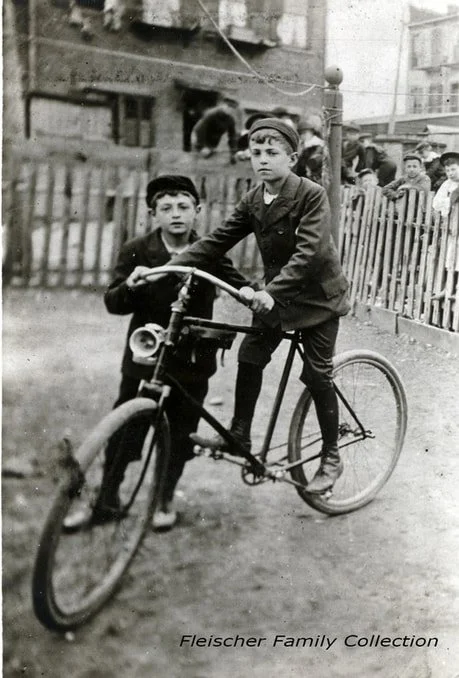
“The Fleischer family was living in Brooklyn, N.Y. at the time this picture was taken. The boys were the envy of the neighborhood- they owned a bike- a bike for pleasure only. Unheard of in those days. This was luxury living; like a kid owning a Ferrari today. Either you owned a bike so that you could go back and forth to your job, or you were a delivery boy and needed it in your work. The brothers were considered the “rich kids” in the neighborhood- playboys of the Western world.
After school and on every Saturday and Sunday a crowd of young admirers would gather around the Fleischer’s back yard to watch Max and Charlie put on their amazing, death defying, bicycle act. First Charlie would do his bag of tricks- his big specialty and wow finish was to fold his arms over his chest and steer the bike with his feet- look Ma, no hands! Max would follow this with other equally astounding feats, and the act would have as its smash finale both boys riding the bike while climbing under and around each other. Sensational! They would always get a great big hand from their awestruck and admiring audience- and an even bigger hand if one or both fell off the bike. The brothers attributed this show of disrespect to plain old jealousy. Turning deaf ears to the hooting, jeering crowd, they’d brush themselves off, get back on the bike and continue on, hoping to give the impression that the accident was really part of the act. Somehow it never worked- everyone knew they just took a plain old flop.”
Charles, a mechanical whiz, helped Max build the prototype of one of his most impactful inventions, the rotoscope, and would go on to hold several patents of his own; many for amusement park games including the still popular claw machine. (insert photo in JJ’s collection)