
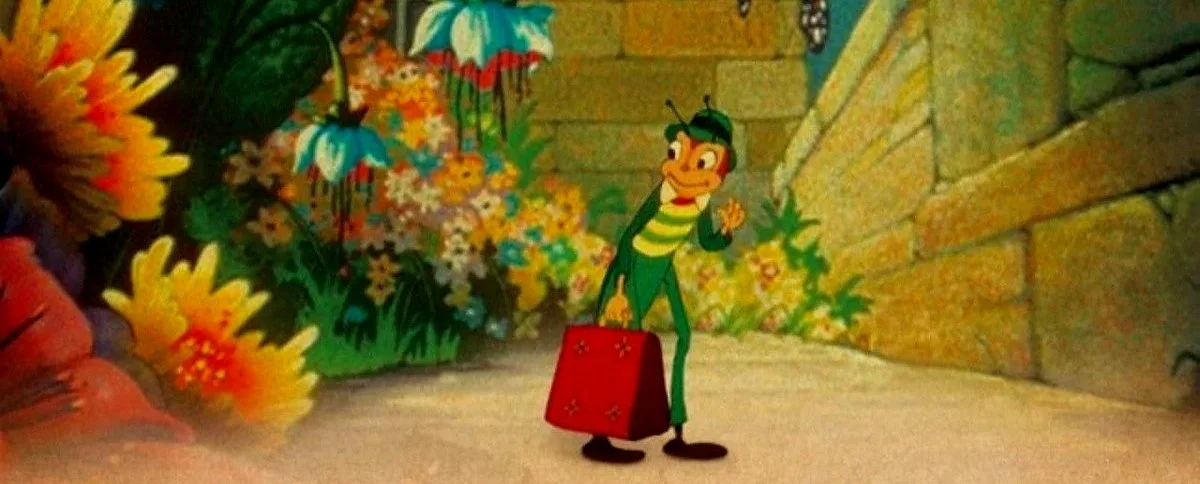
Mr. Bug Goes to Town
Part 3:
The Rest of the Story
Welcome to the third - and final - installment of our exhibit about the making of Mr. Bug Goes to Town! In Part One we looked at the creation and development of the story line that would become Mr. Bug Goes to Town. In Part Two, we explored some of the technical innovations and ingenious problem-solving that went into the making of the film.
In Part Three, we'll take a look at the film's fascinating, at times complicated, journey to the silver screen against the backdrop of America's entry into World War II. It is commonly believed that Mr. Bug Goes to Town had been scheduled to open to the public in early December 1941, three days before the Pearl Harbor attack. While this has been long presumed to be what occurred, the truth is…. that isn't what happened at all!
what did happen?
Thanks to Steven Losie, at CartoonResearch.com, we now know happened! To quote Steven:
“According to the December 3, 1941, issues of Variety and Film Daily, “Mr. Bug Goes To Town” would be having its first screening the following day–three days before Pearl Harbor, consistent with common knowledge. But this wasn’t its general release premiere... Like today’s press screenings, this was a pre-release event held regionally to give critics a jump on their reviews in time for the film’s imminent commercial debut, and for exhibitors to decide whether or not to book the film.”
The that the film was not released to the public prior to the attack on Pearl Harbor, is very significant. For year, the events of December 7, 1941 and its aftermath were cited as events that dampened public interest in the film, and halted any potential for success. We now know that this is not what happened.
New York Times announces new films coming to Broadway, including Mr. Bug Goes to Town, 2/16/1942
Announcement of Press Screenings in "Showmen’s Trade Review" 11/22/1941.
In fact, Steven Losie’s research revealed that the film was not shown publicly until January 23, 1942 in England, which was already well into the midst of World War II (having entered the War in September 1939) and released the film under a slightly different title: Hoppity Goes to Town.
The film's first public showing in the United States, didn't take place until February 12, 1942!
With it’s original name, Mr. Bug Goes to Town, the film was released at a single theater: The Los Angeles Paramount Theater. One week later is was shown in New York City at Loew’s State, and finally - on March 9, 1942, it opened in Miami where the film was made.
In addition to the events of World War II, this puts the actual release date in a particularly difficult period in the history of Fleischer Studios. Paramount took control of Fleischer Studios in May 1941 and by May 1942 both Dave and Max Fleischer had left the studio. One can only image that this created an awkward situation for all involved.
why was the openning delayed?
It may simply have been that the Studio was running behind schedule due to a heavy workload. The Studio had agreed to Paramount’s request to produce the new Superman series, the first film of which opened in September 1941, followed by almost monthly releases of the eight remaining Fleischer Superman films. The Studio was therefore in production on BOTH a major new feature and the new, labor intensive, Superman series at the same time.
It has also been proposed that the delay may have been an effort to avoid competition from Disney's Dumbo, which had opened on October 23, 1941 to much fanfare and sustained popularity.
Although World War II may not have been the cause of Mr. Bug's delayed opening, its overall effect on the life of the film cannot be overstated. An article in Variety dated January 28, 1942 stated that Fleischer Studios would discontinue feature length cartoon production for the duration of the war owing to shortages of some materials that "created difficulty in creating Bug." The article goes on to suggest that these shortages may have contributed to the delayed opening of the film. The film industry overall was negatively impacted by World War II. By the time the United States entered the War in 1941, the entire film industry was already feeling the impact of the reduced availability of overseas markets.
Though we haven't uncovered any clear reason for the delay, we can offer some educated speculation as to what may have happened, and why.
Until recently, the reason most often put forth for the delay is that entry of the United States into World War II on Dec 7, 1941, three days after the film’s opening, left the public in no mood for the trials and tribulations of a colony of cartoon insects. But we now know, the December showings of the films were trade-only showings. In fact, there was no public showing of the film scheduled for December 1941 at all.
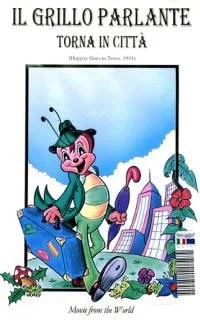
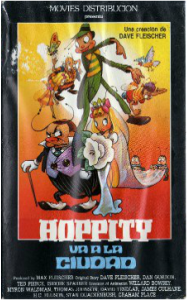
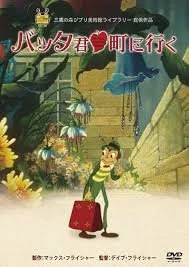
why all the different titles?
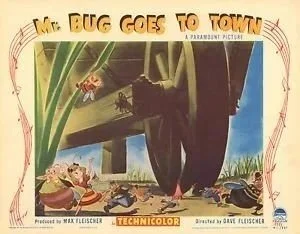
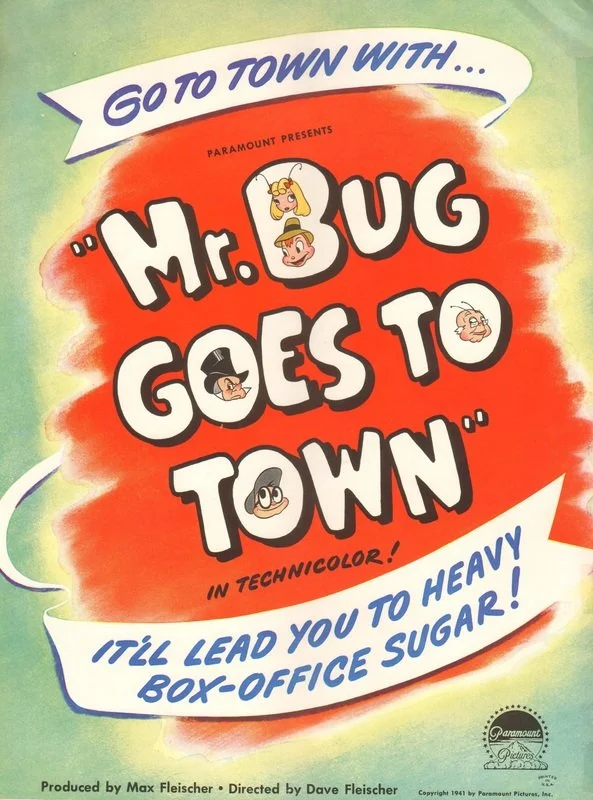
As it turns out England wasn't the only place where the title of the film was altered. But why? As often happens, the translation of words is one thing, but the translation of meaning is another, often impacted by differences in linguistic idioms, historical reference points, and sometimes even cultural reference points!
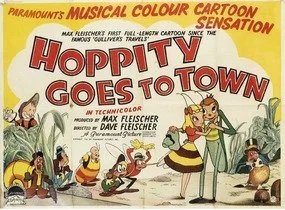
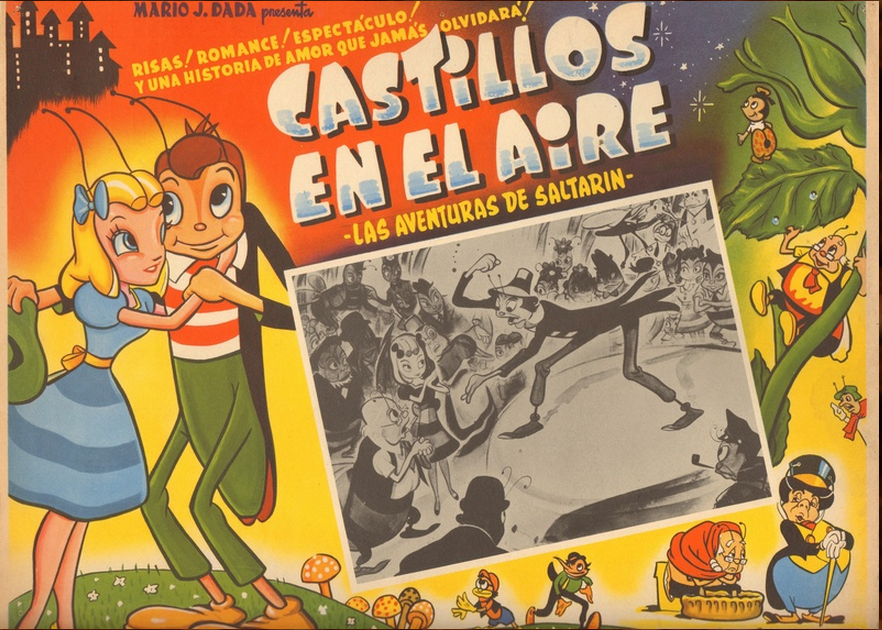
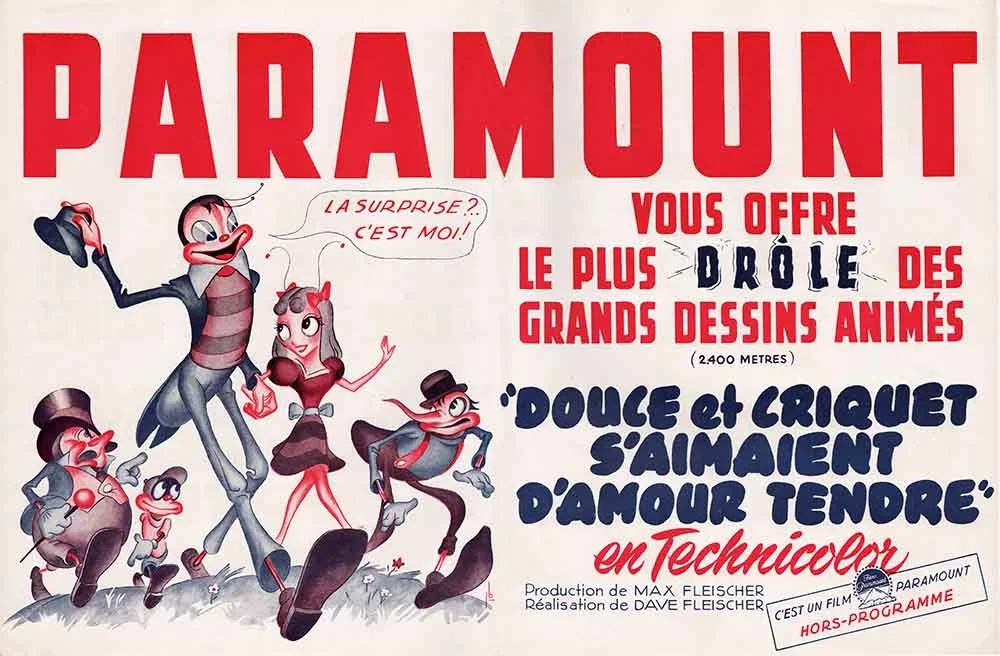
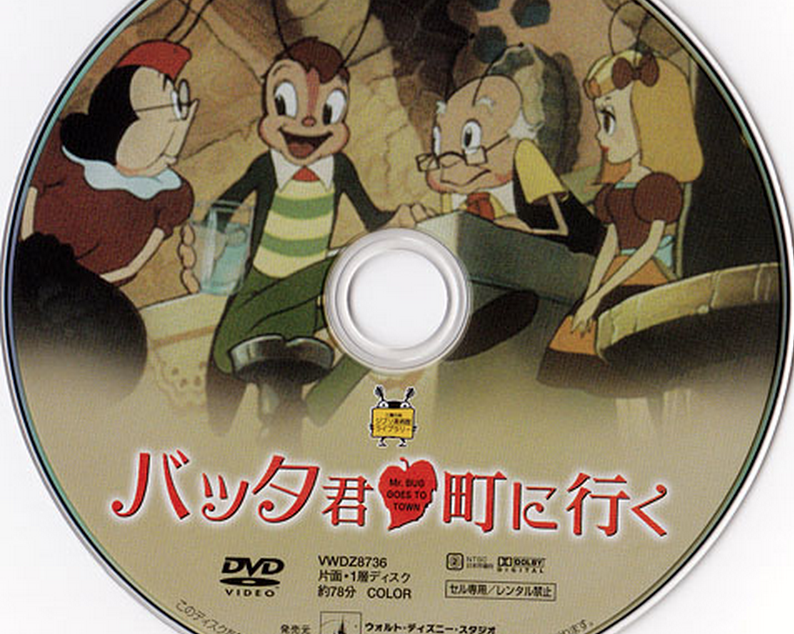
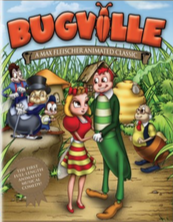
And the list goes on…
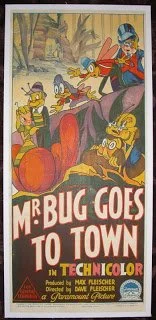
As you can see from the posters, video cover and DVD cases below, though the title may change, the film remains the same. Hoppity and his friends have found their way into the hearts of fans around the world.
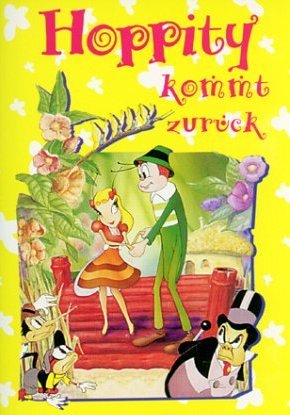
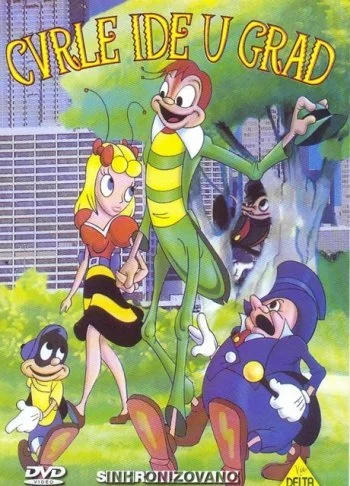
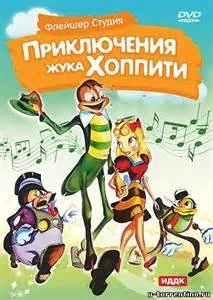
collector’s corner
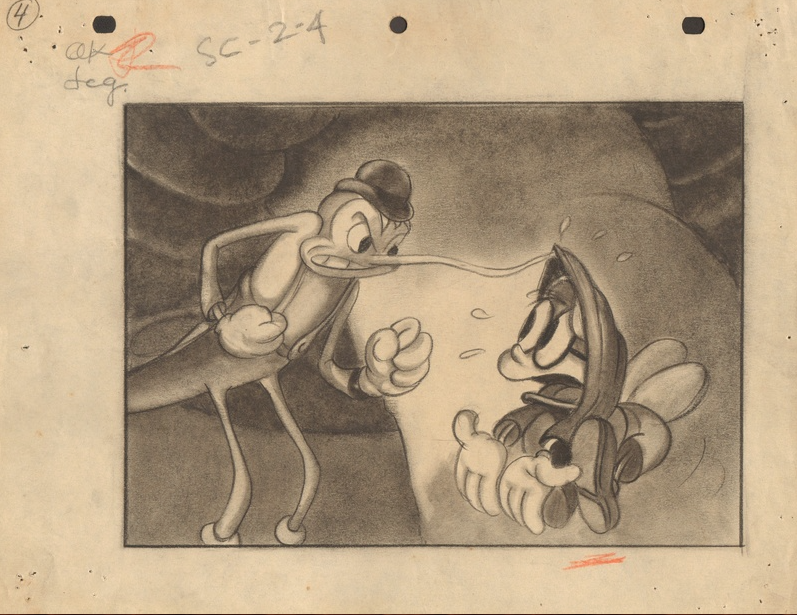
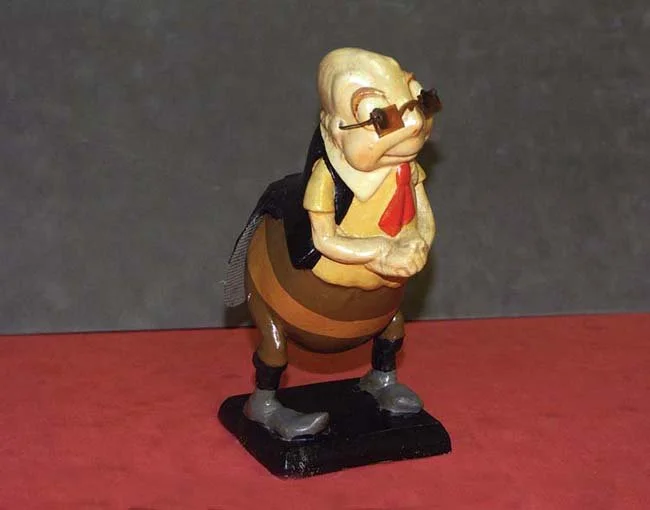
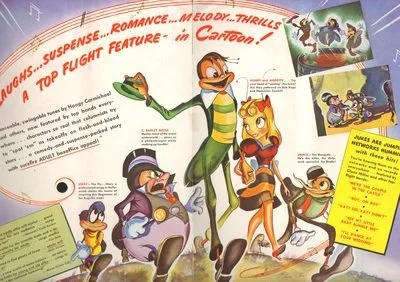
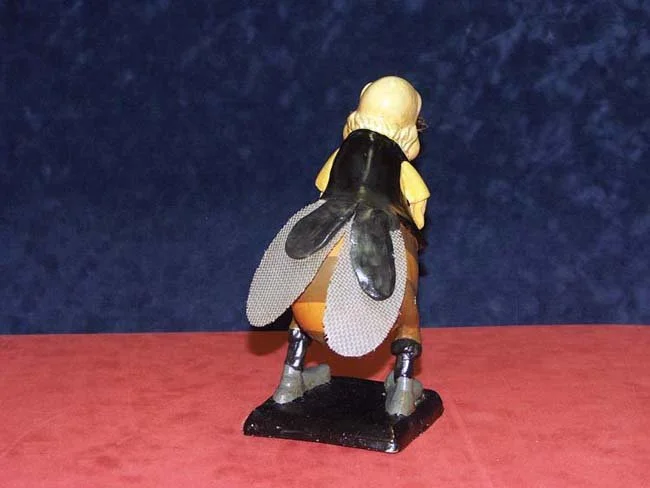
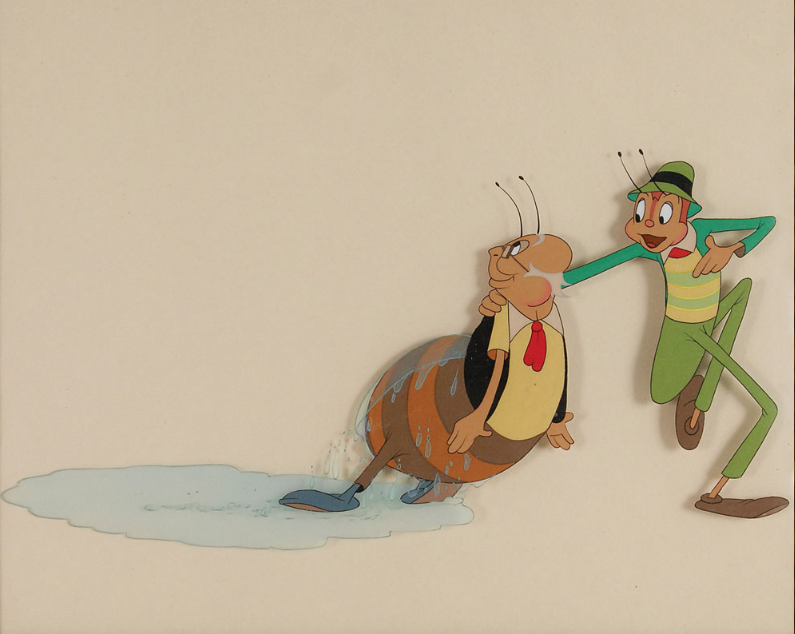
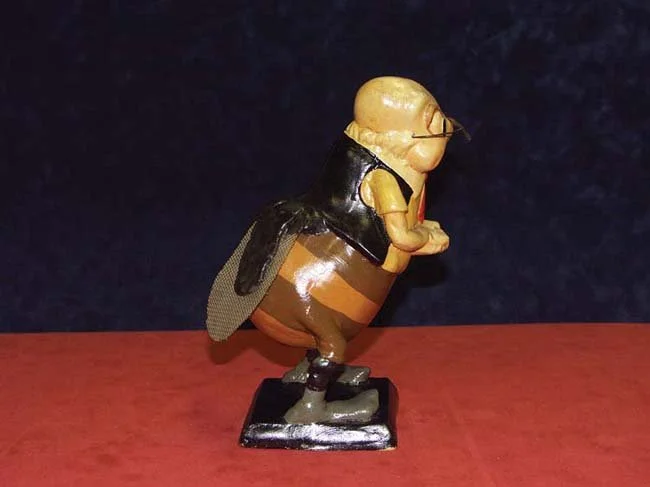
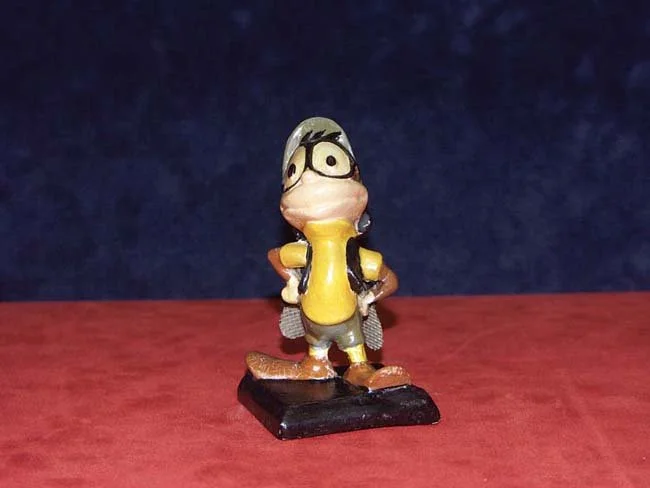
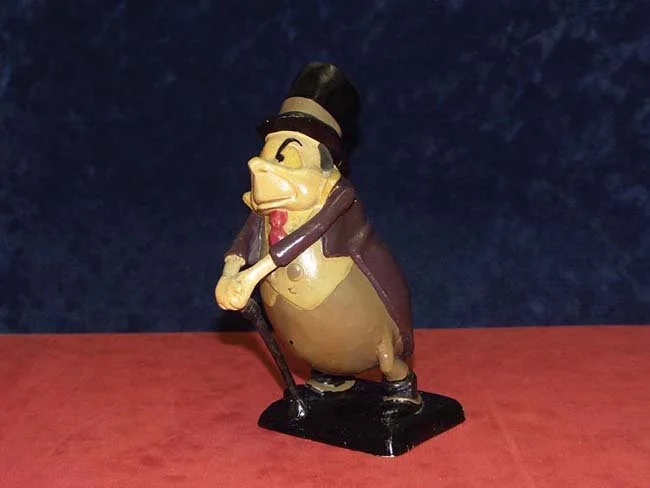
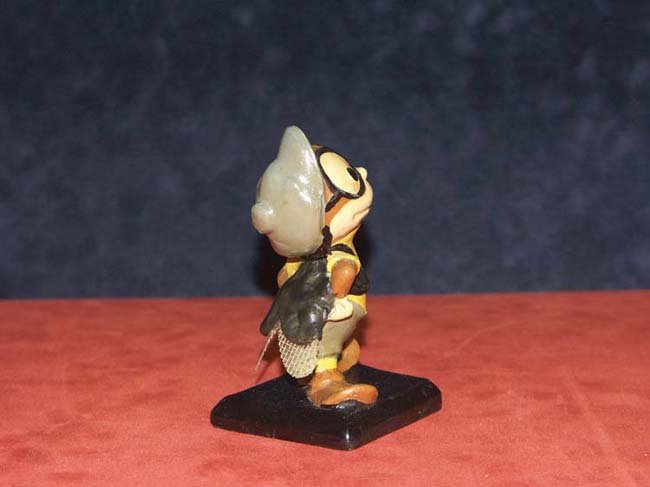
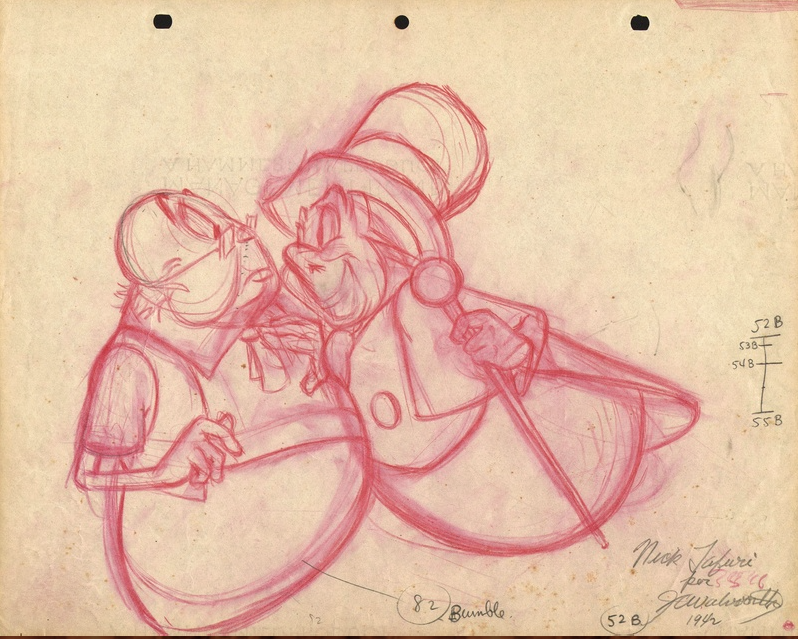
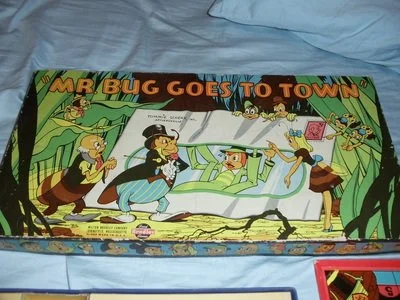
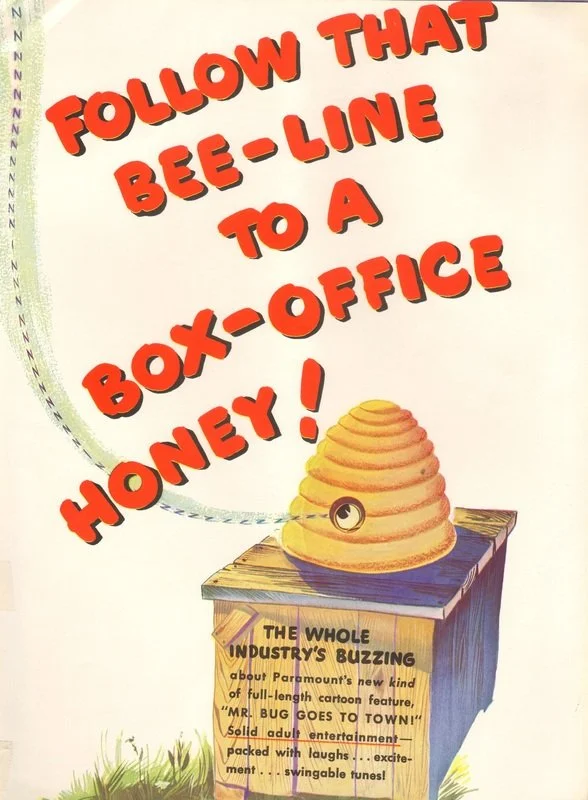
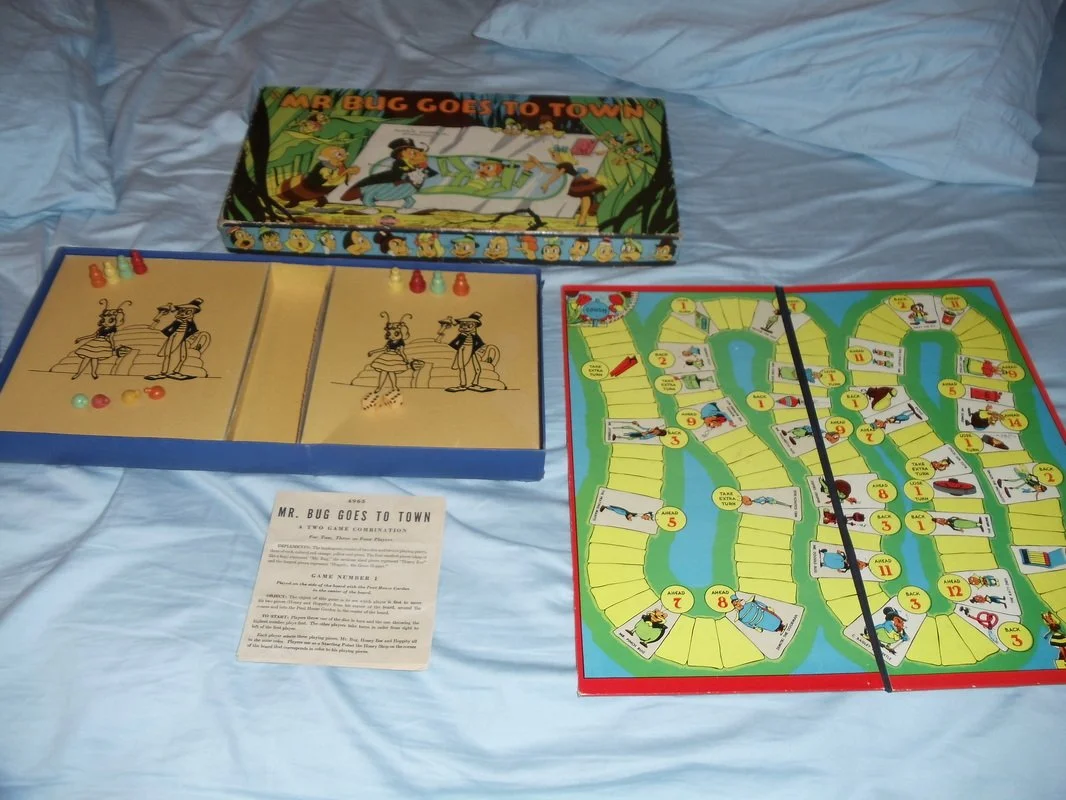
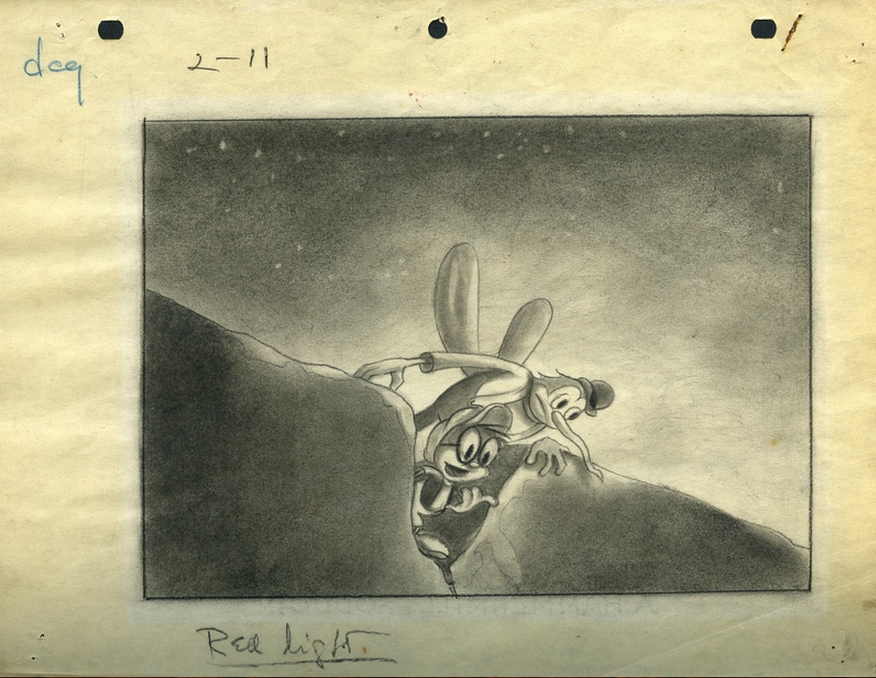
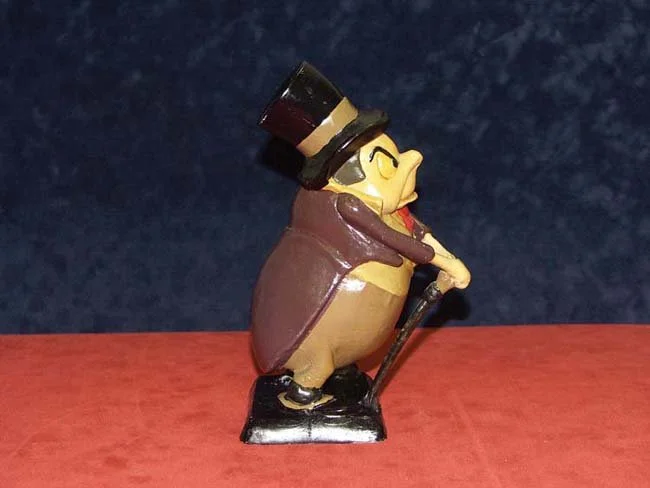
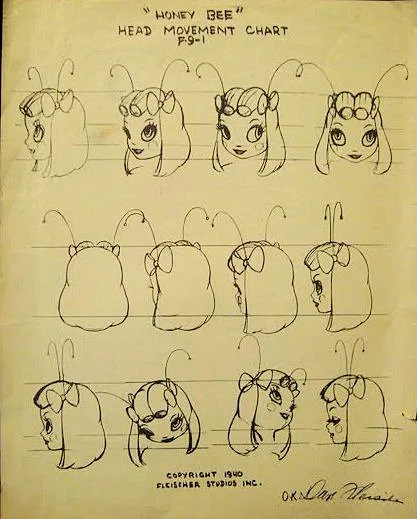
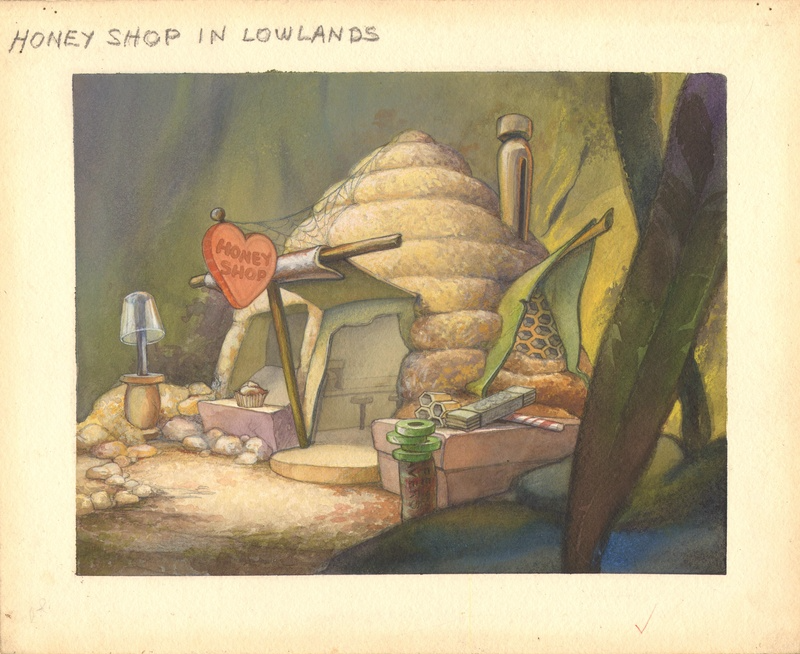
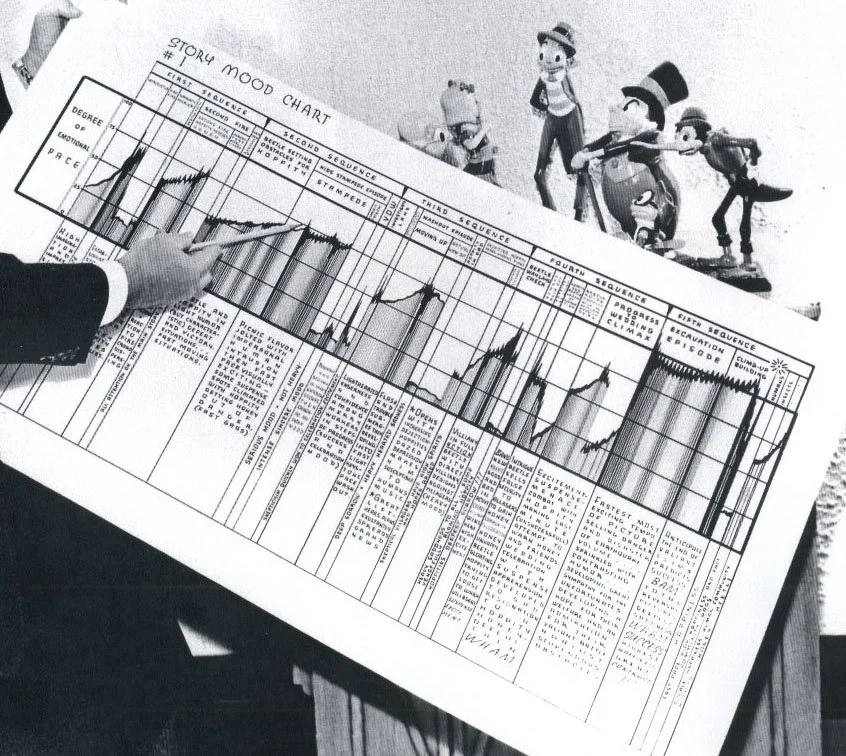
We are pleased and very grateful for the opportunity to share some of the wonderful art that went into the making of Mr. Bug Goes to Town, courtesy of animation collectors Ryan and Stephanie Englade. The Englades collect a wide range of animation art and it is our good fortune that they have a special fondness for Mr. Bug Goes to Town. To enjoy their full collection of Mr. Bug, as well as some of their other animation art, visit their Animation Art and Cel Gallery.
Fun Facts
Movie houses often came up with contests and other fun promotional events to excite moviegoers. Check out these fun promotional ideas in the Mr. Bug booklet that Paramount provided to theaters, offering them strategies for drawing in audiences by engaging them in bug-themed activities like Hoppity Hop dance contests, bug sound imitation contests, limerick writing and more!
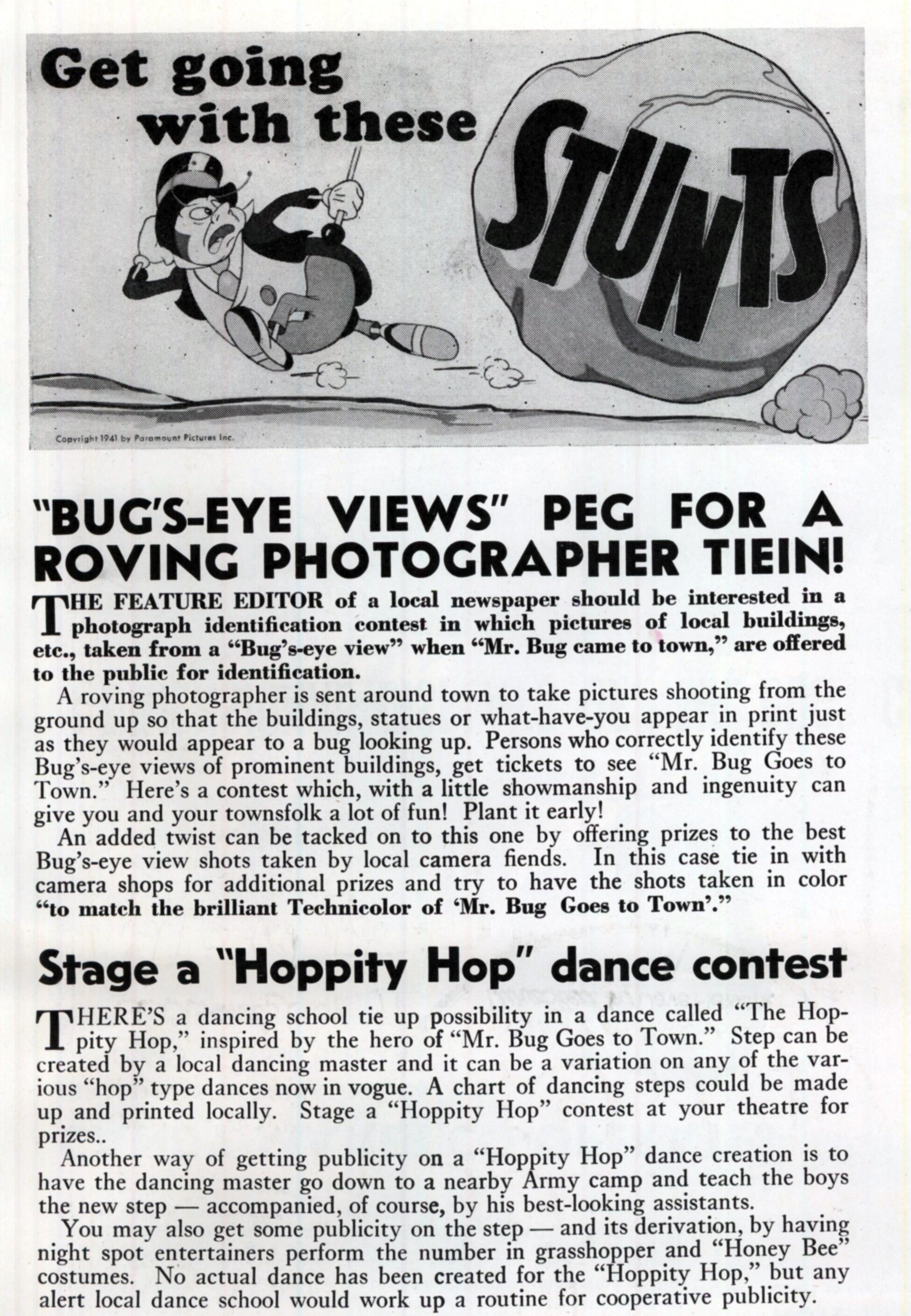
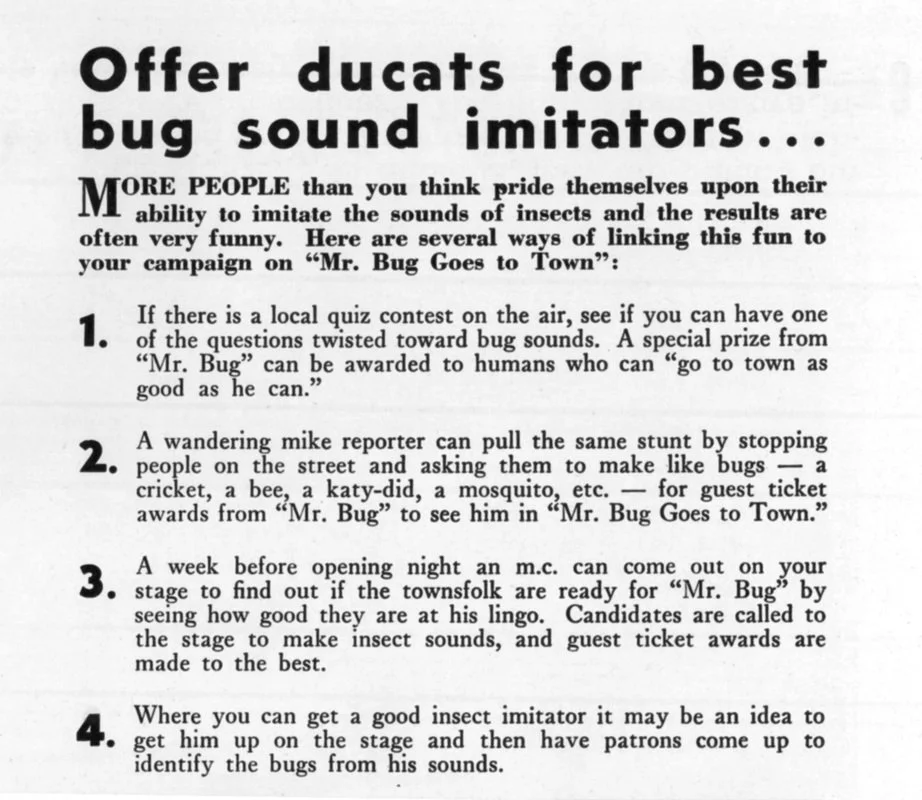
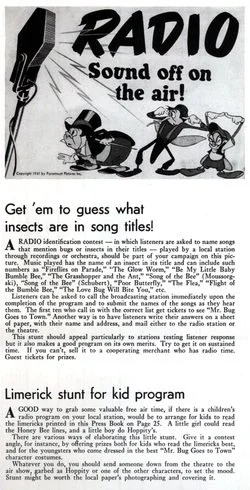
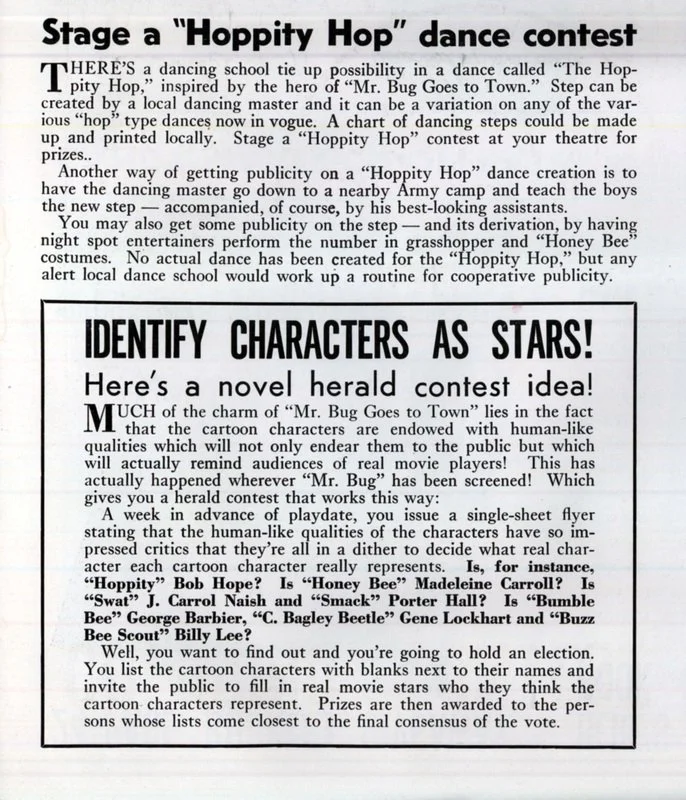
While we don't see these sort of games at the theater anymore, they may be just what you need for your own at-home screening party!
In addition to all the other hurdles Mr. Bug had before it, Fleischer Studios was experiencing its own internal organizational difficulties at the time. In the end, Mr. Bug Goes to Town would be the second- and last- feature film to be made under the company name “Fleischer Studios.”
Some Final Observations
Mr. Bug Goes to Town has a well-earned place in the history of animation. It’s been loved through the years by children, adults, and animation professionals. Today the film has taken on a somewhat cult-like status among a new generation of animators and animation buffs.
There are several copies of this wonderful film on YouTube, including this wonderfully restored version on the “Not An Animation Historian” YouTube Channel.