finding her voice
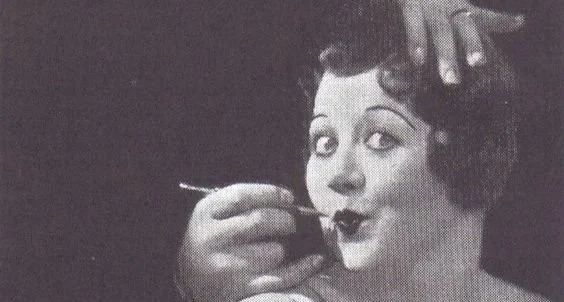
Betty Boop’s voice is one of her most iconic and identifiable features, so it may surprise you to learn that six different women voiced the role of Betty during her heyday in the 1930s!
These women belonged to the relatively young field of voice artists. Unlike voice actors, who created voices for radio show characters who were never actually seen by the public, voice artists had to match their voices to the visual image of the character on the screen.
While some of these artists came from careers in radio, others came to the field though voice contests or by chance. Figuring out which voice artist contributed to which film can be tricky because, as odd as it may seem by today’s standards, voice artists rarely received screen credit for their work.
While there are some things we may never know about these talented and intrepid women, we do know that they all contributed to Betty’s on-screen success. We are honored to share them, and what we know of their stories, with you.
Mae Questel, the biggest booper of all
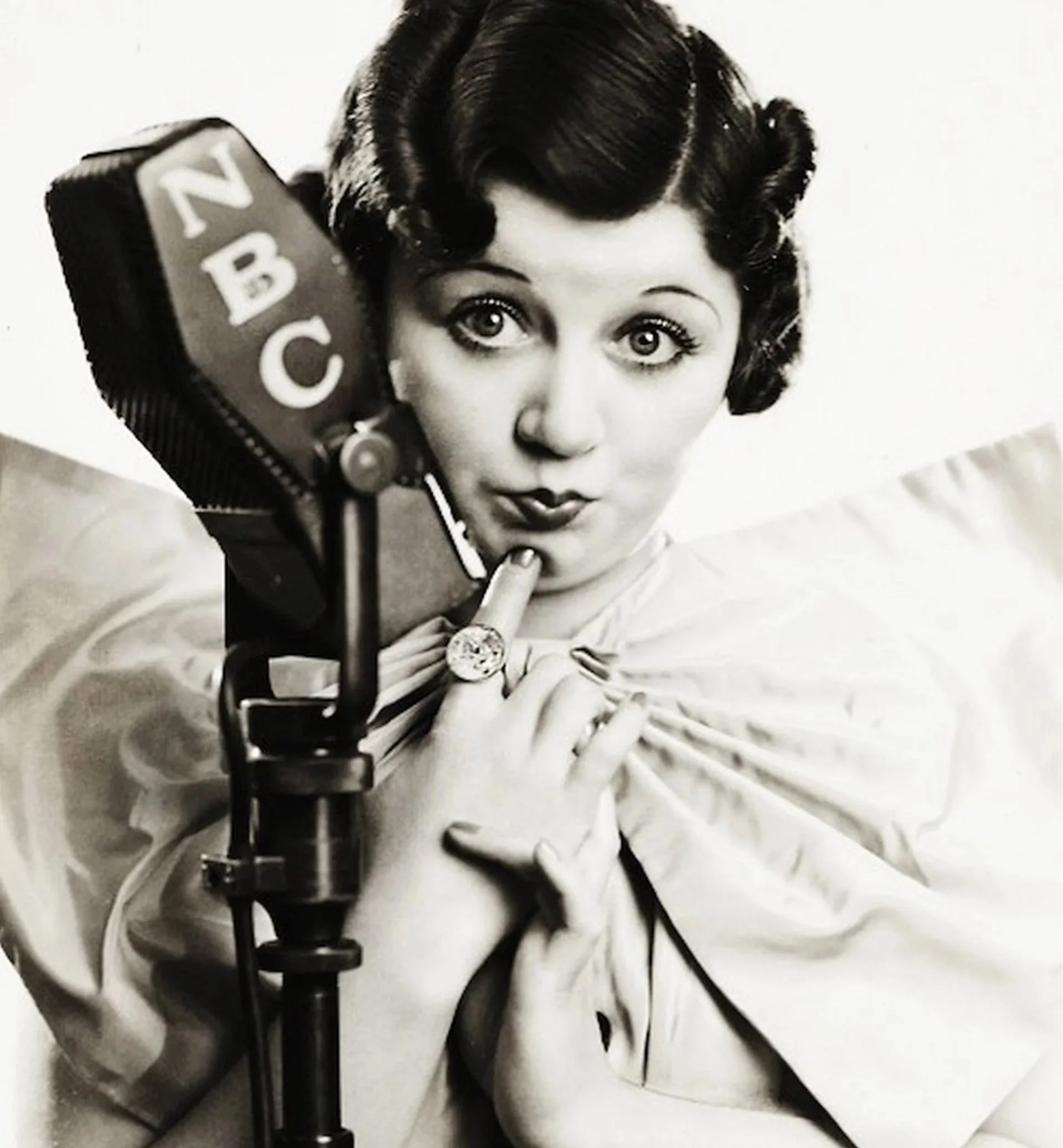
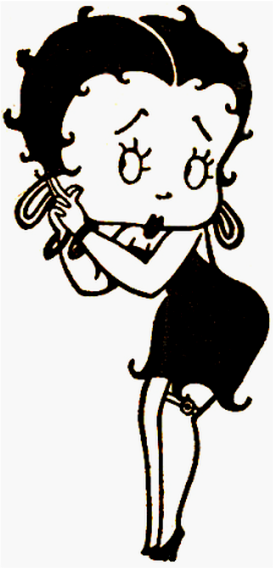
Certainly the voice that is most associated with Betty Boop, Mae Questel is featured in more Betty Boop films than any other voice artist.
Born Mae Kwestel in 1909 in New York City, Mae won a talent show at age 17 with her imitation of actress Helen Kane. Soon Mae was performing in vaudeville houses, impersonating famous personalities such as Fanny Brice and Eddie Cantor, and that is where she was discovered by Max Fleischer, who quickly recognized that she had just the right voice for a character still in development; the character that would one day be Betty Boop. According to Max’s son:
“The voice needed to be squeaky, but it also needed to be cute and sexy, to sing, to do good line readings, and be able to say and sing “Boop-oop-a-doop” in exactly the right way. Max finally found what he was looking for in 1931 when he came across the incomparable Mae Questel. ”
Mae’s first film with the Fleischers was Silly Scandals. Bimbo was still considered the “star” of the film, but it’s Mae’s irresistible charm and impeccable vocal delivery that steal the spotlight. Mae’s voice and her genius for character would play an important part of the evolution that eventually led to Betty.
Mae would continue as the voice of Betty until the Studio moved from New York to Florida in 1938. Mae, who was married and had two children, decided not to make the move.
An exceptionally versatile performer with an enormous range, Mae also voiced Olive Oyl, Swee’pea, and Casper the Friendly Ghost. She even provided the voice of Popeye during World War II when Jack Mercer was serving in the military.
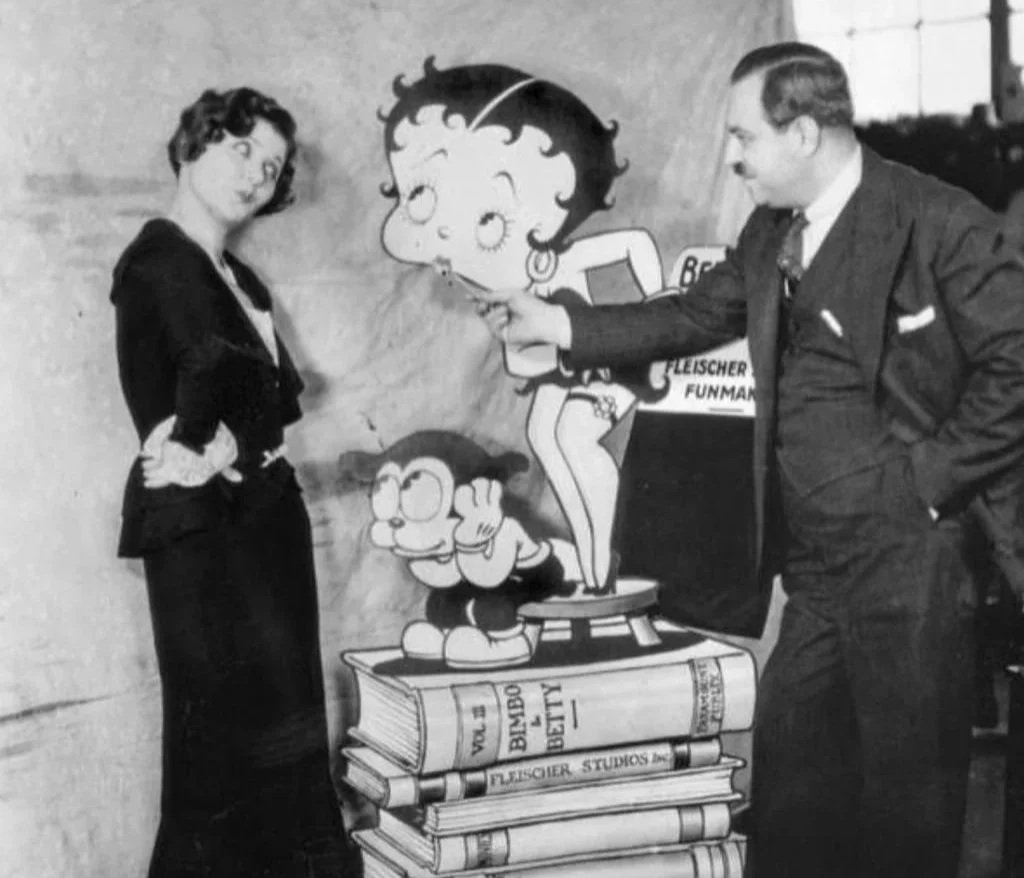
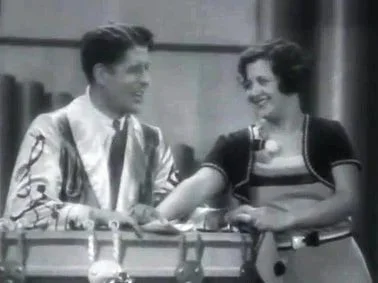
Above: Mae with Max Fleischer in a promotional photo for Betty Boop. Below: a rare live action appearance as Betty Boop in Musical Justice (1931) with Rudy Vallée
Mae enjoyed a long career in show business. She appeared in Woody Allen films Zelig and New York Stories, and is well-remembered as Aunt Bluebell in an iconic series of Charmin' Toilet Tissue commercials (“Please Don’t Squeeze the Charmin”) and Aunt Bethany in National Lampoon's Christmas Vacation.
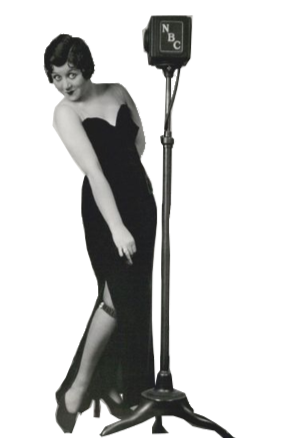
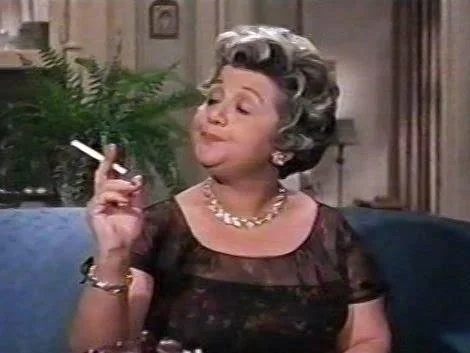
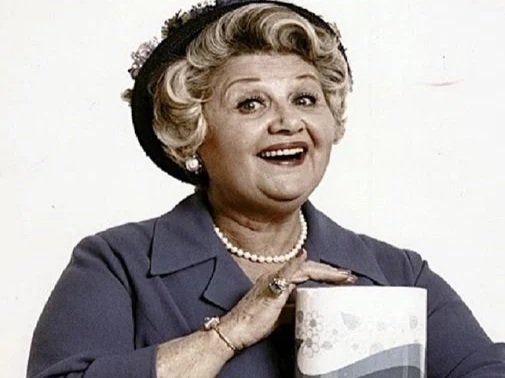
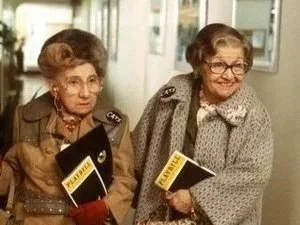
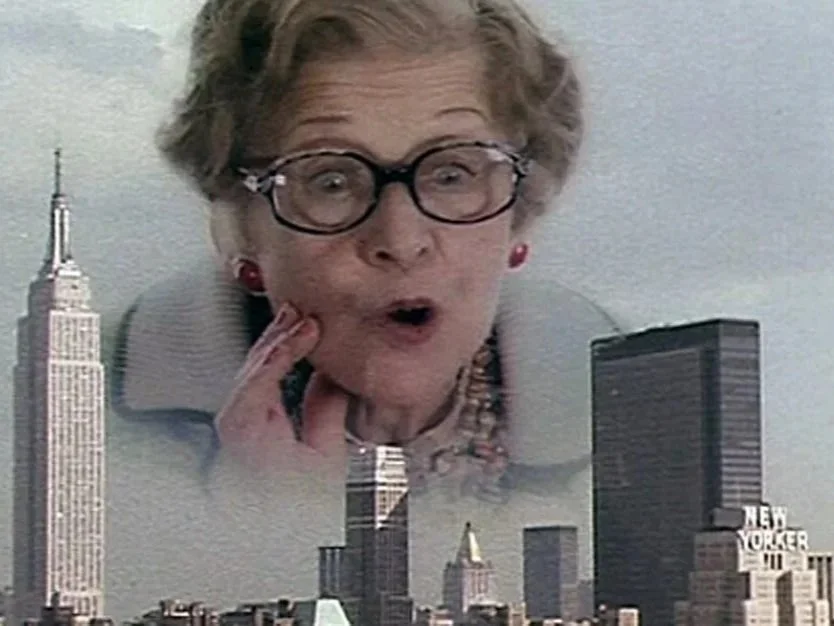
Remarkably, Mae’s final turn as Betty came in 1988 when she famously voiced Betty Boop in the film Who Framed Roger Rabbit.
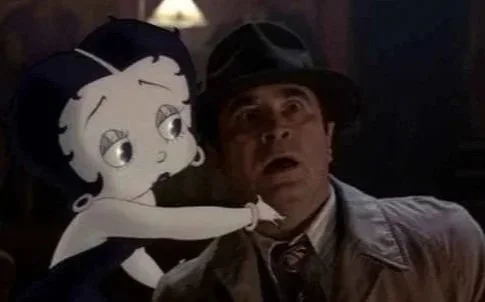
Hear Mae voice Betty Boop in “Betty Boop Limited”.
Margie Hines: Before she was betty
Margie Hines holds the special distinction of voicing the saucy, dog-eared cabaret singer in the 1930 Fleischer film Dizzy Dishes. This character, widely regarded to be the precursor to Betty Boop, makes only a brief appearance in the film, but the film’s star Bimbo falls head-over-heels in love with her.
A former office worker, Margie got into show business after winning a Boop-a-doop contest and being discovered by a Fleischer voice artist who had seen her perform on the vaudeville stage.
Margie provided the voice for a number of Fleischer characters and, in 1939, while voicing the character of Olive Oyl, she met and married fellow voice artist Jack Mercer (the voice of Popeye).
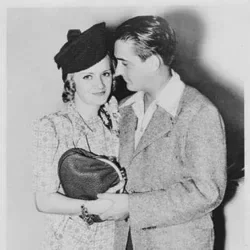
The real-life marriage of the voices behind Popeye and Olive Oyl was celebrated by the media and even included a wedding breakfast of spinach. Unfortunately, the marriage didn’t last. It seems Margie was quite the social butterfly, while Jack preferred a life that was a bit more subdued.
In addition to voicing Olive Oyl and Betty Boop, Margie lent her vocal talents to a number of Fleischer films including The Stone Age series, Gulliver’s Travels, and Mr. Bug Goes to Town.
Although five other women would go on to provide Betty’s voice, Margie also continued voicing Betty throughout the 1930s.
Harriet Lee: the “Songbird of the Air”
Above: Harriet Lee featured on the cover of Radio Digest May-Oct 1930 issue. Below, hear Harriet Lee in “The Bum Bandit”.
Well known as a radio singer in the late 20s and early 30s, Harriet Lee voiced the dog-eared predecessor to Betty in one film: The Bum Bandit. As a result, her contribution to the Betty Boop story is too often forgotten.
In the film, the character plays Dangerous Nan McGrew, a no-nonsense, cigar-smoking cowgirl who saves an entire train from the Bum Bandit trying to hold it up.
Lee’s deep, resonant voice is quite distinct and marks a clear—and fascinating—departure from what we have come to expect from Betty Boop. There is not an ounce of the usual high-pitched Boop-Oop-Doop charm in this swaggering, sultry-voiced Betty.
Despite her success, Lee chose to disappear from public life in the mid-1930s and went on to work as secretary and voice coach for the movie star Dorothy Lamour. Later, according to Ed Sullivan’s gossip column, dated Dec. 21, 1939, Dorothy Lamour even served as “bridesmaid at the wedding of her secretary, Harriet Lee, to Bill Boggess.”
Harriet Lee’s marriage is mentioned in Ed Sullivan’s column. The Pittsburgh Post-Gazette, Dec. 21, 1939. (Fleischer Family Collection)
Bonnie Poe… Meets Dracula?
Bonnie Poe appears to have provided Betty’s voice in about nine films prior to 1938, likely taking on the role when Mae Questel was not available. Bonnie was the first actress to voice Olive Oyl.
Bonnie was featured in Betty’s second live action film appearance, a bizarre scene in the 1933 film Hollywood on Parade. A showcase for Paramount stars, it includes a segment in which a wax figure of Betty comes to life and is confronted by Dracula (played by Bela Lugosi.) As Betty sings to various wax figures, she is stalked by Dracula who finally nabs her, intoning, “you have booped your last boop!” as he sinks his teeth into her neck.
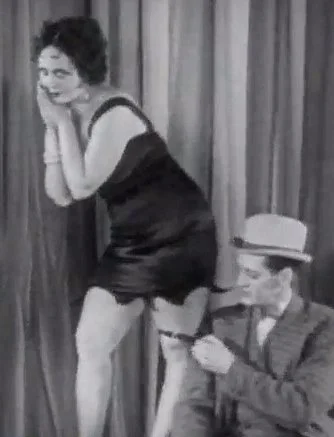
Bonnie Poe as Betty Boop and Eddie Borden in Hollywood on Parade.
Beginning in 1933, both Bonnie and Mae Questel voiced Betty in a short-lived radio show entitled Betty Boop Fables on NBC.
Bonnie went on to perform in another short-run radio show called House of Glass in 1935 where she played the part of an out-of-work entertainer.
According to gossip columnist Jimmie Fidler, Bonnie Poe “filed a $25,000 heart balm action against George Raft” in the mid-30s, citing breach of promise.
After that, she seems to have faded from public view. She passed away in 1993.
An excerpt from Hollywood on Parade featuring Eddie Borden, Bonnie Poe as Betty Boop and Bela Lugosi as Dracula.
Kate Wright
(a.k.a. Kathryn Wright, a.k.a. the ‘Mystery Girl’)
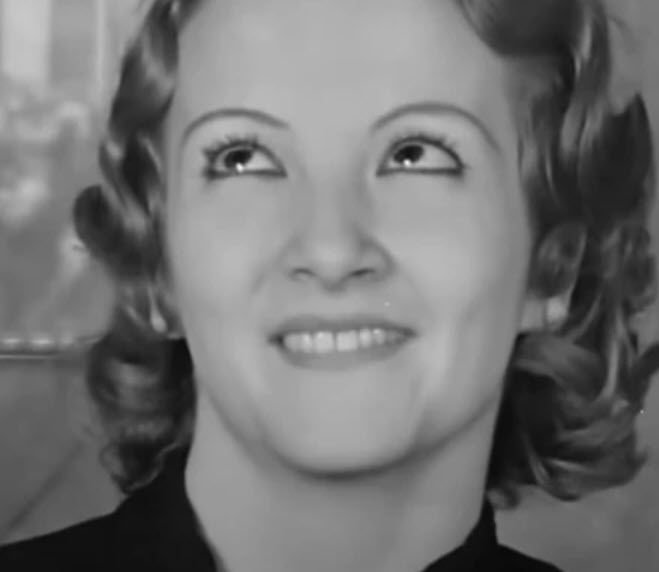
Like Mae Questel, Kate Wright launched her career as a voice artist by participating in a Boop-a-Doop contest. Though even before that, in 1929, Kate recorded several songs for Columbia Records billed simply as The Mystery Girl. Kate’s voice was very similar to that of the already famous Helen Kane, who was recording for Victor, a competing record label at the time. You can hear some of Kate’s singing as The Mystery Girl here.
Kate provided Betty’s voice between 1932-1938 when Mae Questel and Margie Hines were unavailable. She also occasionally voiced other characters such as Buzzy Boop (Betty’s 12-year-old tomboy cousin) and even Pudgy. Because voice artists were often uncredited, it is difficult to determine exactly which films Kate worked on.
Very little else is known about Kate Wright… making her a real mystery girl!
Little Ann Little… who really was little
(a.k.a. Annabelle Little, a.k.a. Ann Little Werner, a.k.a. Ann L. Rothschild)
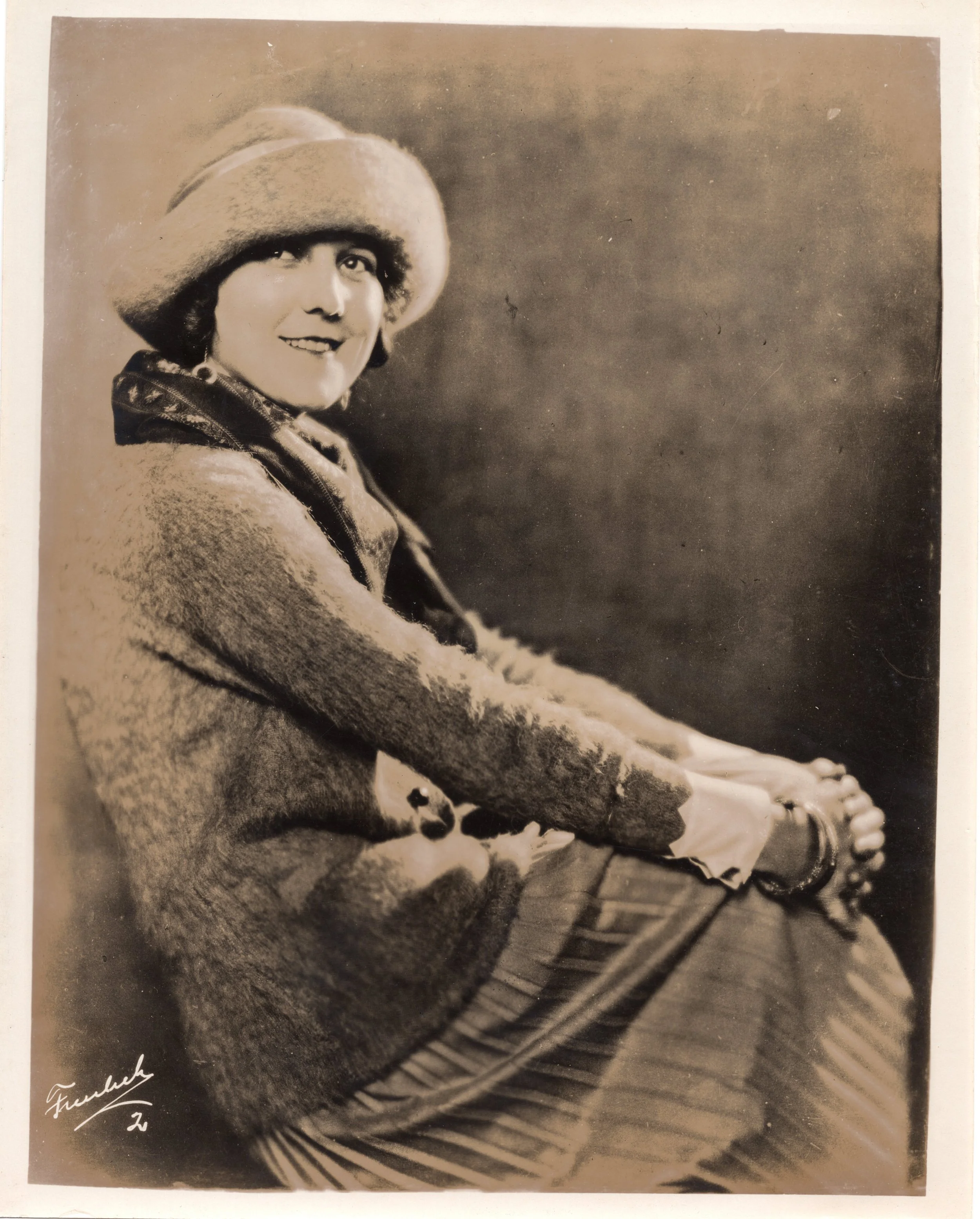
Ann was called “Little Ann Little” because she was only 4’10” tall and weighed about 100 pounds. Her first acting job, in 1925, was in the chorus of The Greenwich Village Follies. Ann and her unique squeaky voice came to Max Fleischer’s attention through a voice contest run by Paramount Pictures.
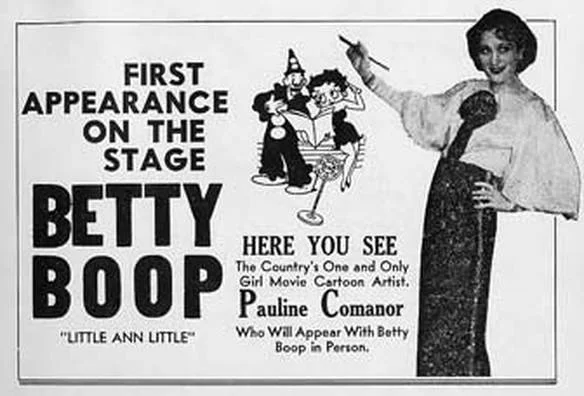
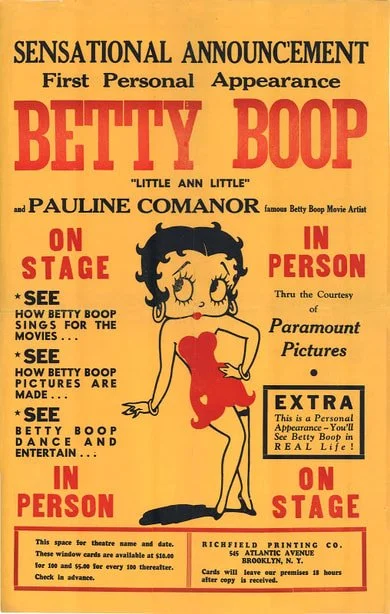
By the time Ann came along, Betty Boop was already at the height of her popularity. Max used Ann as Betty Boop’s voice in several films, but her more significant contribution to the Betty Boop canon came in a unique, live vaudeville show that Max developed and sent on the road featuring Ann and artist Pauline Comanor. Ann would sing and dance dressed as Betty Boop. Then she would strike a pose, and Pauline would draw “Betty” on a large sheet of paper that was given to fans in the audience.
Perhaps the most challenging of the voices behind Betty Boop, the story of Little Ann Little is difficult to accurately piece together in part because of her long-standing, very public and inaccurate insistence that she was the first and longest-running voice of Betty Boop.
In a 1971 interview, Ann claimed she made “about 18 cartoons a year” as Betty Boop, though she actually only voiced a handful of films before going on the road with Pauline Comanor. Then, in a 1975 newspaper interview, Ann said she was upset because others were wrongly getting credit for ‘being’ Betty Boop. To support her claims, she quoted a letter written by Mike Lacy, then President of a Betty Boop Fan Club, to radio host Tom Synder, in which he stated:
“It has been called to my attention that Mae Questel appeared on your program Thursday, August 28, 1975. She claimed to be the original voice of Betty Boop. Mrs. Ann L. Rothschild has valid proof of being the first Betty Boop.”
Ann married twice after leaving show business. Her first marriage was in the early 1940s to Louis Herbert Werner, who was 22 years her senior. She moved with Werner, who was retired, to St. Petersburg, Florida where he died in 1948. She married again in July 1960 to Joseph Rothschild, who died in July 1969. At one point she claimed to have set up a Betty Boop School of Dancing in St. Petersburg, though it’s not clear if that was the name of the school or her theory of teaching at the Pauline Buhner School of Dance where she is known to have worked.
Eventually Ann left show business and was ordained as a Christian Unity minister. She maintained show business and the ministry were similar, saying:
Letter written to a fan from Little Ann Little. Sept. 1937. Fleischer Family Collection.
Because voice artists so often went uncredited, it is difficult to determine precisely how many films Ann Little voiced. But we do know Mae Questel was the longest-running voice of Betty Boop, and is still the voice most closely associated with the character.
“In show business you try to lift people up so they can forget their problems, and it’s the same in religion. You try to lift their minds off their problems and put in God.”
Fun Facts
Fun Fact 1
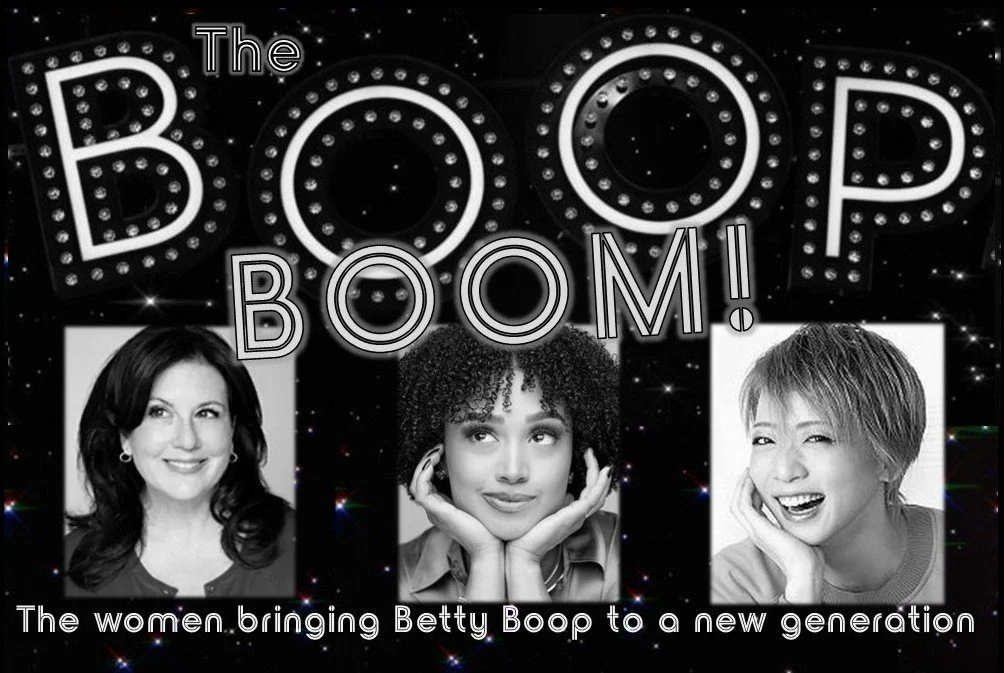
While Fleischer Studios discontinued their Betty Boop series of cartoons in 1939, Betty Boop continues to inspire fans around the world. Meet the women carrying Betty Boop, and her indomitable spirit into the 21st century HERE.
In 1932, actress Helen Kane filed a lawsuit against Max Fleischer and Paramount, claiming that Betty Boop was a direct and intentional copy of her. The case went to court in New York in1934 but when it was proven that both her appearance and her style of singing were not unique, Kane lost. That’s the story behind what’s known as the Fleischer Victory Newsreel. In it, Max Fleischer appears with five of the ladies who voiced Betty behind him. (from left to right: Kate Wright, Little Ann Little, Mae Questel, Margie Hines and Bonnie Poe)
Fun Fact 2
Fun Fact 3
So, whatever happened to Ann’s partner on the Vaudeville stage, Pauline Comanor? Pauline went on to develop a format for early children’s TV shows with the goal of making learning as much fun as playing: this was way before Sesame Street! She also went back on the road with an act as The World’s Fastest Cartoonist. But Pauline may be best remembered for creating the popular character Chunky Monkey’who generated books, t-shirts, dolls, and eventually became the name of a Ben and Jerry’s ice-cream flavor! Pauline died in 2005 at the age of 91. Learn more about Pauline HERE.